


 sales@itpstyli.com


6/29/26
The Dos and Don’ts of Carbon Fiber Stylus Use
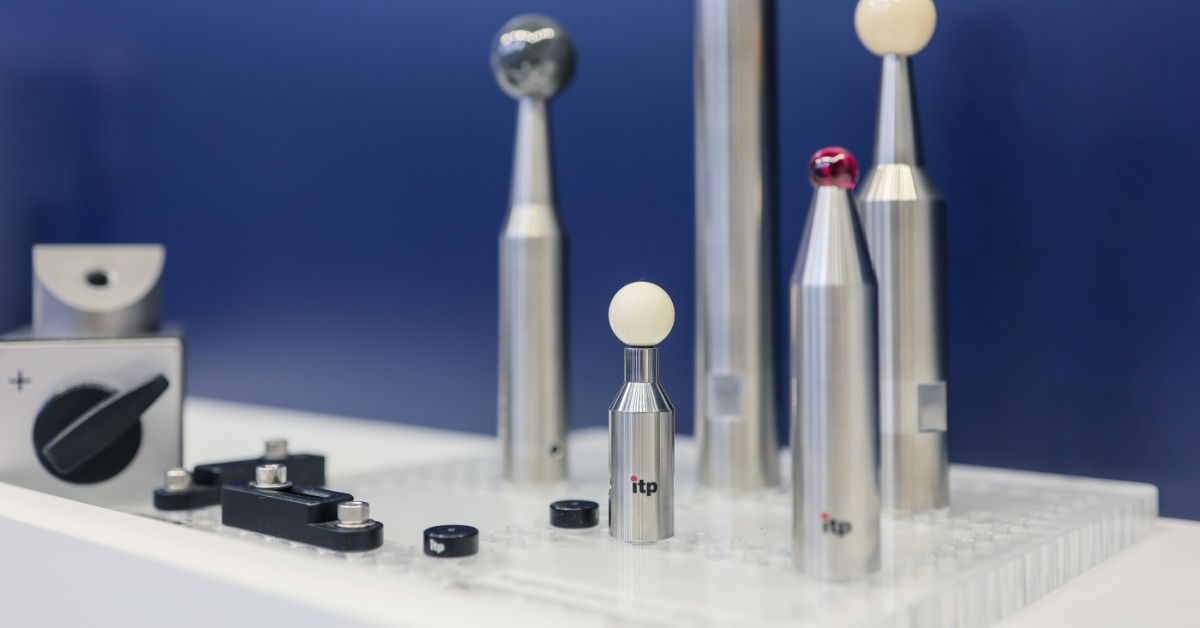
Carbon fiber styli help inspection teams reach deeper features without adding unnecessary weight to the measuring system. Their stiffness-to-weight balance works well for longer-probe setups where heavier materials would place greater demand on the probe head. Performance still depends on how teams handle and maintain the stylus. The dos and don'ts of carbon fiber stylus use give shops a practical way to protect accuracy before small setup choices turn into measurement problems.
Why Carbon Fiber Styli Behave Differently
Carbon fiber does not respond like steel, tungsten carbide, or ceramic. Its engineered structure provides high rigidity relative to its weight, which helps reduce the load on longer assemblies. The difference is important when the application requires extended reach.
Carbon fiber is not a cure-all for every measurement challenge. Its strength depends on proper use at the joints, correct probing force, and careful setup. Shops get the best results when they treat carbon fiber as a precision material with specific handling requirements.
The Dos of Carbon Fiber Stylus Use
Do Verify Stylus Length-to-Diameter Ratios
Longer styli need careful proportioning because length affects how the shaft responds to probing force. A carbon fiber shaft offers helpful stiffness, but an overly long or undersized setup still risks deflection. Review the length-to-diameter ratio against the part's accuracy requirements before the assembly goes into use.
Carbon fiber is usually used in longer, straight styli because it helps reduce added weight without sacrificing the reach needed for deeper features. The setup still needs to be sized correctly, though, because even a lightweight shaft will move if the geometry pushes beyond the application’s limits.
Do Use Proper Tightening Torque
The connection points on a carbon fiber stylus deserve careful attention. Overtightening creates stress at the joint, and under tightening allows movement that shows up during measurement. Proper tightening torque keeps the assembly secure without damaging the interface, helping operators achieve consistent results across setups.
Do Inspect the Shaft and Joints Regularly
Inspecting carbon fiber styli before production use is essential. Look for visible cracks and looseness near bonded areas. Small changes in the shaft or joint affect how the stylus responds under load.
Threaded connections and tip interfaces require the same attention because these areas transmit probing force through the assembly.
Do Pair Carbon Fiber With the Right Ruby or Diamond Tip
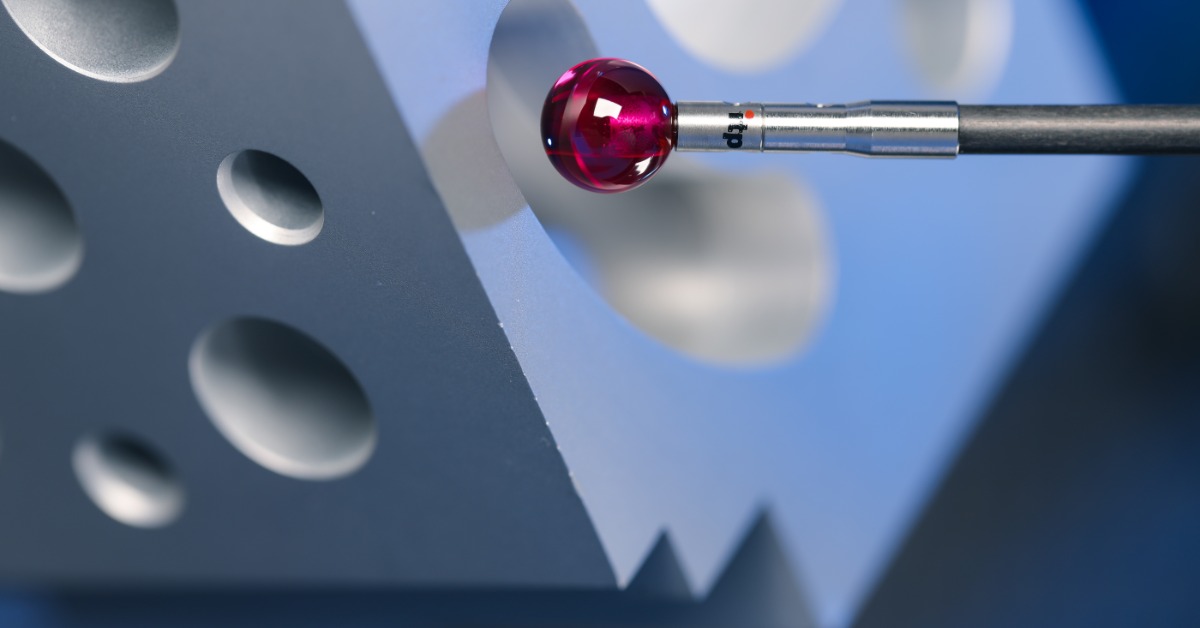
The shaft material is only one part of the setup. The contact tip determines how the stylus meets the workpiece, so the ball material should match the surface being measured. Ruby works well for many common inspection needs, and diamond-coated tips suit jobs where wear resistance is a priority. A carbon fiber shaft with the wrong tip still creates avoidable problems when the inspection cycle repeats often.
Do Recalibrate After Any Stylus Change
You should treat changing out a stylus as a change to the measuring system. Recalibration confirms the effective ball position and helps remove assumptions from the inspection process. Skipping recalibration poses a risk because measurement errors are not always apparent immediately.
Do Store Carbon Fiber Styli Properly
Teams should store carbon fiber styli in a way that protects them from impacts and unnecessary handling. Loose storage increases the chance of thread damage, joint stress, or contact-tip contamination. Clean and clearly identified styli give the inspection process a stronger starting point.
The Don’ts of Carbon Fiber Stylus Use
Don’t Exceed Recommended Probing Forces
Carbon fiber delivers strong performance within the right range, but excessive probing force still compromises accuracy. Higher force increases deflection and adds strain to the stylus assembly. Force settings should match the measurement task, not operator preference.
Don’t Overlook the Full Stylus Assembly Weight
Carbon fiber keeps longer stylus shafts lightweight, but the shaft is only one part of the assembly. The tip, adapter, extension, and connecting hardware all add weight that affects the probe's response during measurement. Reviewing the full setup prevents a lightweight shaft from being paired with components that make the assembly less stable.
Don’t Use Carbon Fiber To Compensate for Poor Access Planning
Carbon fiber is useful when a feature requires additional reach, but it should not mask a poorly planned measurement path. If the probe angle or fixture position creates unnecessary strain, the stylus may still produce inconsistent results. Better access planning gives the carbon fiber stylus a more stable job to do.
Don’t Ignore Collision Risk During Deep Feature Inspection
Deep pockets and recessed features leave less room for error during probing. A carbon fiber stylus may reduce weight, but side impact or poor clearance can still damage the connection point. Operators should review the approach path before inspection so the stylus reaches the feature without unnecessary contact.
Don’t Ignore Thermal Conditions
Carbon fiber is valued for stability, but the inspection environment still deserves attention. Even a stable stylus material operates within a larger measurement system. Allowing the setup and workpiece to stabilize reduces unnecessary variation.
Don’t Attempt Field Repairs
A technician should never modify a damaged carbon fiber stylus on the shop floor. Field repairs alter the stylus's structure and make its behavior harder to trust. Once a shaft or joint is compromised, replacement is the safer path because measurement tooling needs predictable behavior.
When To Replace a Carbon Fiber Stylus
Replacement should be considered when the stylus shows visible damage, fails repeatability checks, or no longer holds calibration as expected. A sudden change in measurement behavior deserves attention, even if the stylus looks normal. Carbon fiber damage is not always dramatic.
A stylus should be replaced after a significant crash or impact. Hidden damage at the shaft or joint affects future measurements, and questionable tooling creates unnecessary risk.
Find the Right Carbon Fiber Stylus Support With itpstyli
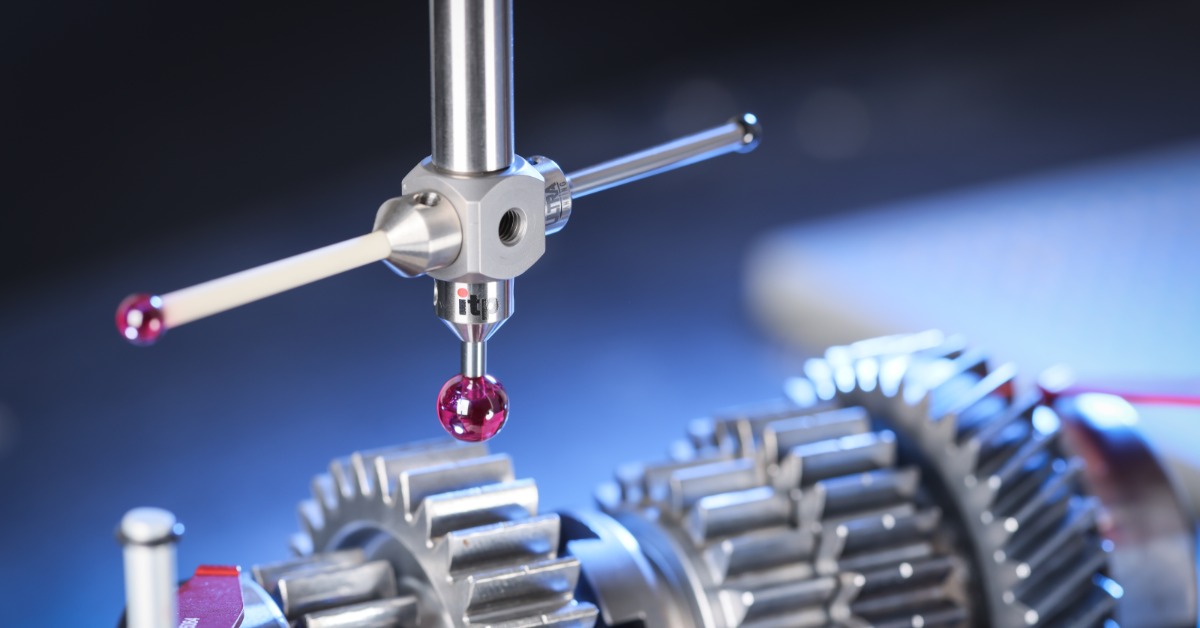
Carbon fiber stylus selection comes down to small details that are easy to overlook during a busy inspection schedule. A shop may know the feature it needs to reach, but still needs a better way to match that requirement to a dependable stylus setup. itpstyli helps bridge that gap with practical support for teams that need a replacement or a custom option.
The right stylus supplier should make the inspection feel less stalled instead of being complicated. With itpstyli, measurement teams get access to solutions built for real CMM and machine-tool needs, without wasting time on unnecessary guesswork. Reach out to itpstyli to find the carbon fiber stylus your next inspection setup deserves.
A well-chosen carbon fiber stylus should make difficult inspection work more controlled from the start. The dos and don'ts of carbon fiber stylus use turn that confidence into a more dependable setup before the first measurement begins. When the next job calls for careful reach or a custom stylus solution, itpstyli is ready to help you find the right fit.